
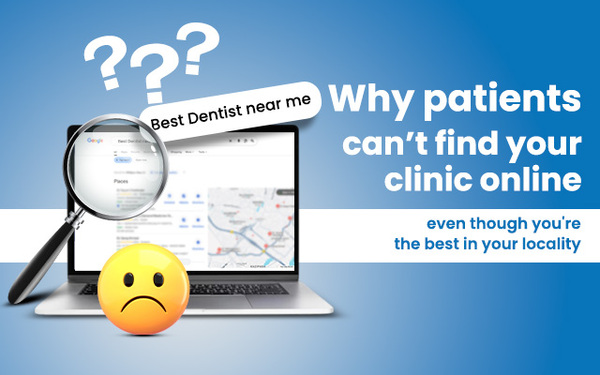
You might be one of the most trusted doctors in your area. Your patients recommend you. Your OPD stays busy—offline.
Yet online? Silence.
No calls. No enquiries. Barely any website traffic.
This gap confuses most doctors and clinics. If the care is excellent, shouldn’t patients automatically find you online?
Unfortunately, that’s not how patient discovery works today.
Patients don’t search for the best doctor.
They search for the most visible and easiest to understand.
Let’s unpack why clinics struggle with online visibility—and what actually fixes it.
How do patients actually find doctors online today?
Patients don’t stumble upon clinics by accident. Their search behaviour follows clear patterns.
They usually start with:
- Symptoms
- Treatment names
- Nearby locations
- Google Maps results
- Reviews and ratings
This is where the doctor’s search visibility and clinic visibility on Google decide everything.
What most clinics miss
- Patients research before calling
- They silently compare 3–5 options.
- They trust clarity over claims
If your clinic doesn’t show up clearly during this phase, the decision ends before it begins.
The patient decision journey in healthcare follows three steps:
search → compare → contact.
Miss step one, and steps two and three never happen.
Why isn’t your clinic showing up on Google search?
This is one of the most common frustrations we hear.
Your clinic exists. Your website exists. Yet Google acts like neither does.
The real reasons behind clinic discoverability issues
- Weak Google My Business optimisation
- Poor NAP consistency healthcare (name, address, phone mismatch)
- No presence in local map pack ranking
- Outdated or thin website content
- No signals of trust or relevance
Google doesn’t rank clinics based solely on reputation. It ranks based on clarity, consistency, and activity.
Most patients click map listings first. If your clinic isn’t appearing on Google Maps, you’re invisible to proximity-based searches.
Why don’t clinics get online enquiries even with a website?
Having a website doesn’t guarantee patient enquiry generation. In fact, many hospital websites quietly push patients away.
Common issues that block enquiries
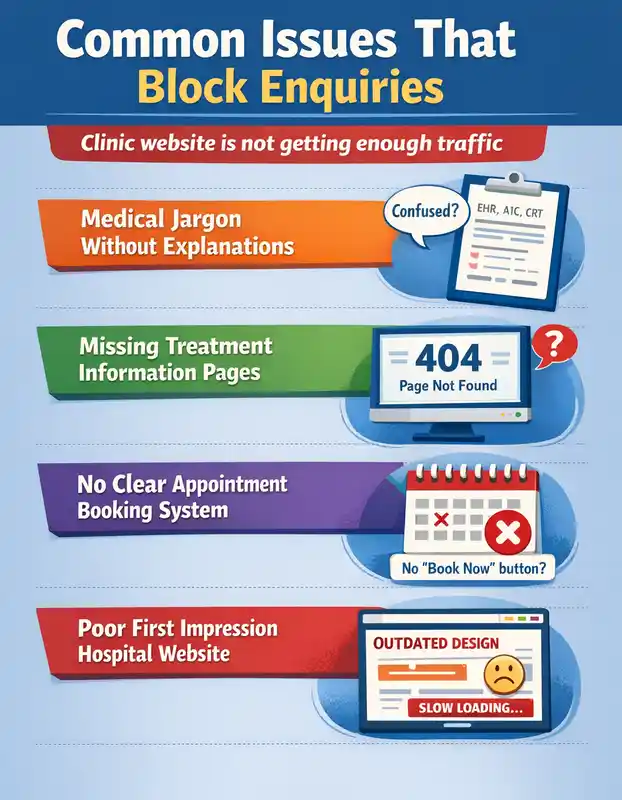
Patients won’t complain. They simply leave.
A beautiful site without medical website content clarity performs worse than a simple site that explains things well.
What stops patients from trusting your clinic online?
Healthcare decisions involve fear. Trust is not optional.
Patients look for reassurance through:
- Real photos
- Doctor credentials
- Reviews and ratings for clinics
- Clear explanations
- Familiar language
When these trust signals are missing, conversions drop.
Trust signals patients subconsciously look for
- Transparent treatment explanations
- Human tone, not promotional language
- Consistent branding across platforms
- Visible experience and authority
This is where patient trust building online becomes critical.
Claims like “best clinic” don’t build trust. Proof does.
Why does local SEO matter more than social media for clinics?
Social media creates awareness. Local SEO improves local patient lead generation.
What local SEO for doctors actually does
- Improves clinic search presence
- Helps clinics show up for nearby searches
- Strengthens doctor discovery online
- Drives high-intent traffic
This is why healthcare local SEO services outperform generic promotions.
Google prioritises location relevance. A well-optimised nearby clinic often outranks a bigger brand farther away.
What role does content play in online patient acquisition?
Content isn’t about blogs for the sake of blogs. It’s about removing doubt.
Content that actually converts
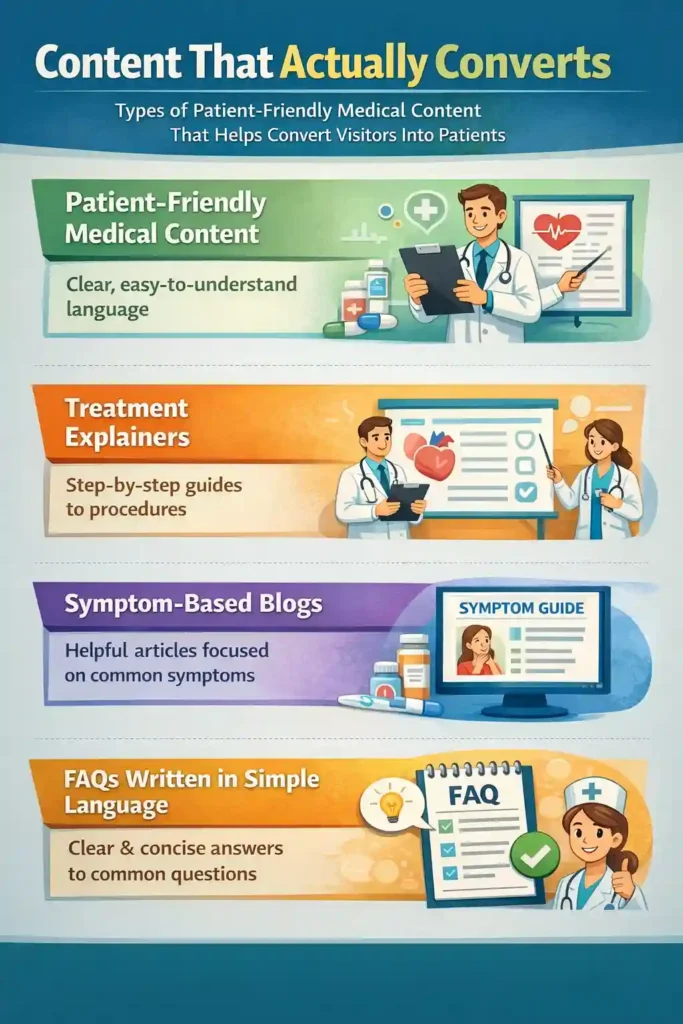
This approach supports medical content marketing and strengthens online patient acquisition.
Most patients land directly on treatment pages. If those pages don’t explain enough, trust collapses instantly.
Why ads fail for many hospitals and clinics
Running ads without fixing fundamentals creates low-quality leads.
Why ads don’t convert
- Landing pages don’t answer patient doubts
- Website feels generic
- No patient conversion strategy
- Weak follow-up systems
Ads amplify what already exists. They don’t fix broken foundations.
Lead quality depends on clarity
Better explanations = better leads. More leads ≠ better leads.
What actually improves clinic’s online presence?
There’s no single trick. It’s a system.
| Area | What patients need |
| Visibility | Local SEO + Maps |
| Clarity | Simple treatment explanations |
| Trust | Reviews, real visuals, credentials |
| Conversion | Clear CTAs and booking flow |
| Follow-up | OPD lead management |
Where most clinics go wrong with digital marketing
Many clinics hire agencies that focus on posting rather than performance.
They get:
- Posters
- Random reels
- No measurable patient growth
What they need instead:
- Healthcare marketing solutions aligned with patient behaviour
- Strategic online marketing for clinics
- Long-term authority building for clinics
This is where choosing the right healthcare digital marketing agency matters.
What a healthcare digital marketing agency actually does
A real strategy connects everything:
- Website
- SEO
- Content
- Ads
- Follow-ups
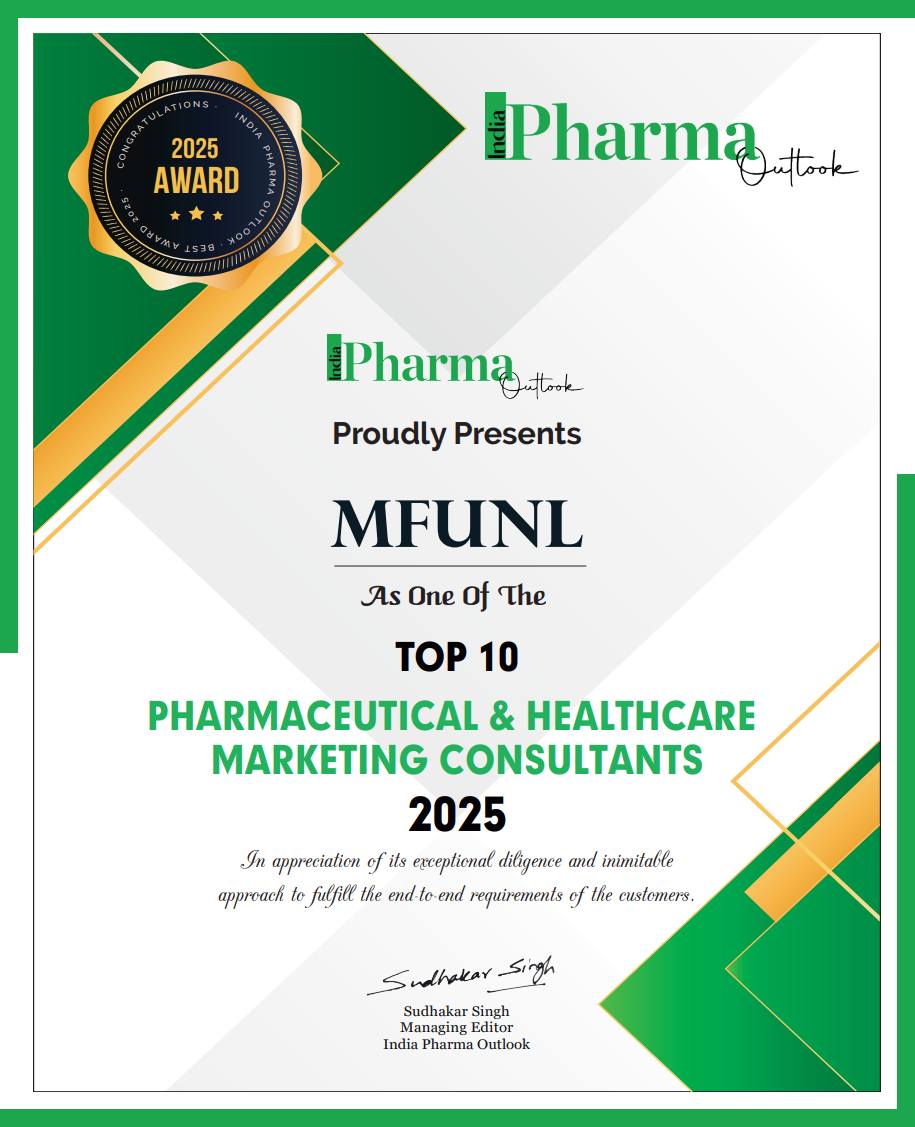
At MfunL, a healthcare digital marketing agency in Kolkata, we don’t treat marketing as decoration. We build systems that match how patients actually search, think, and decide.
Our work focuses on:
- Clinic website optimisation
- Healthcare branding services
- Google visibility
- Patient enquiry generation
- Converting website visitors to patients
Let’s talk about fixing visibility, not guessing
If your clinic isn’t getting calls from Google, the issue isn’t quality of care.
It’s visibility and clarity.
Patients already want help.
They just can’t find you.
If you’re serious about improving your clinic’s online presence and building trust digitally, it’s time to stop guessing and start structuring.
Something worth remembering
The best clinic doesn’t always win online.
When patients understand you, they trust you. When they trust you, they call.
Everything else is noise.
Improve Your Clinic’s Online Presence
Schedule a consultation at MfunL, our healthcare digital agency in Kolkata, and let us help you improve your clinic’s online presence.
People Also Ask
1. Why is your clinic not visible on Google search results?
Most clinics aren’t visible because of poor local SEO, weak Google My Business optimisation, inconsistent contact details, or low content relevance. Google prioritises clarity, proximity, and trust signals over reputation alone.
2. How do patients find doctors online today?
Patients usually search by symptoms, treatments, or nearby locations. They rely heavily on Google Maps, reviews, clinic websites, and clear treatment explanations before contacting a doctor.
3. Does Google Maps ranking matter for clinics?
Yes, it matters more than regular rankings. Most patients click on clinics that appear in the local map pack because it feels nearby, trustworthy, and easy to access.
4. Why do hospital websites fail to convert visitors?
Websites fail when treatment information is unclear, overly technical, or incomplete. Patients leave silently when they don’t understand safety, recovery, or whether the treatment suits them.
5. What improves clinic visibility on Google?
Strong local SEO, accurate Google listings, regular reviews, patient-friendly content, and consistent online activity together improve clinic visibility and search presence.
6. Is local SEO important for doctors and hospitals?
Local SEO is critical because patients search based on location. Even the best clinic won’t appear if Google can’t clearly match it to nearby patient searches.
7. How can clinics get more patient enquiries online?
Clinics get more enquiries by combining clear treatment pages, trust-building content, local SEO, and a smooth appointment booking flow—supported by timely follow-ups.
8. Do clinic reviews really affect Google rankings and patient trust?
Yes. Reviews act as both a ranking signal and a trust filter. Google uses review quality, frequency, and recency to assess credibility, while patients use them to decide whether to click, call, or move on.