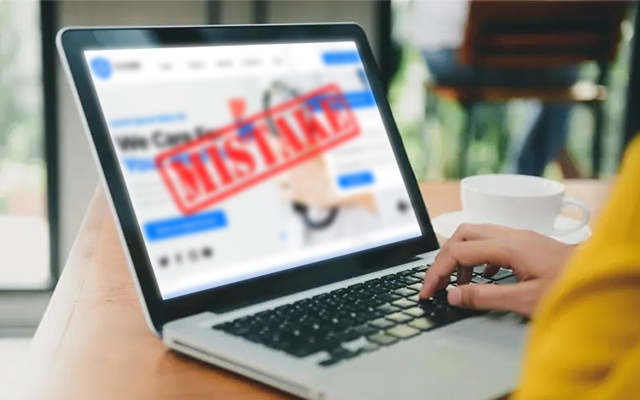
At present, healthcare brand owners are increasingly relying on their websites to convert online visitors into actual patients. However, many healthcare websites unknowingly make design mistakes that silently reduce appointments.
If you're managing a healthcare website, you may not even realise how these issues are hindering your patient appointment conversion. But don't worry, as a leading healthcare digital marketing agency in Kolkata, MfunL is here to help.
We'll walk you through common website design mistakes and how they affect patient decisions. Get ready for some design tips that'll not only boost conversions but also make your website a patient magnet.
Why Website Design Plays a Critical Role in Patient Appointment Decisions
In the digital age, the first impression is everything. When patients are looking for a healthcare brand, they often start their search online. From the moment they land on your website, they form an opinion about your practice, and that opinion can directly influence whether they book an appointment or not.
A well-designed website can reassure patients, build trust, and make booking an appointment feel easy. On the flip side, poor design can make your website feel unprofessional, difficult to navigate, or simply frustrating to use, which ultimately leads to lost opportunities.
How patients evaluate healthcare brands online
Patients today are more tech-savvy than ever. They evaluate healthcare brands the same way they would any other service – by browsing their website. They look for credibility, trustworthiness, and convenience. A cluttered, slow, or poorly designed site raises a lot of red flags and sends potential patients running to the competition.
The connection between user experience and patient trust
The user experience (UX) of your healthcare website is critical. If your website is easy to navigate, loads quickly, and looks modern and clean, it instantly signals to patients that you're a professional and trustworthy brand. Conversely, a confusing layout, long load times, or hard-to-read text can make patients question your practice's competence and reliability.
How poor website design leads to silent appointment drop-offs
The truth is, many healthcare websites fail to convert visitors into patients without the owner even realising it. Potential patients may visit your website, explore the services, and even consider booking an appointment – but if your site frustrates them in any way, they may abandon it altogether. And that’s where the silent drop-offs happen, quietly sabotaging your patient appointment numbers.
Mistake #1: Poor Mobile Optimisation
In today's mobile-first world, having a website that’s not optimised for smartphones is a huge mistake. Many healthcare searches now happen on mobile devices, and if your website isn’t mobile-friendly, you’re missing out on a significant chunk of your audience.
Navigation and usability issues that frustrate patients
Mobile users expect a seamless browsing experience. If your website has navigation issues, small buttons, or hard-to-read text, they won’t hesitate to leave. A frustrating mobile experience creates an instant negative impression and a higher likelihood of appointment abandonment.
How mobile booking friction reduces appointment conversions
Mobile optimisation isn’t just about looks; it’s also about functionality. If your mobile booking process is too complicated or slow, patients won’t take the time to book an appointment. Friction in the booking flow can kill conversion rates, especially for mobile users, who expect quick and easy transactions.
Mistake #2: Slow Website Loading Speed

Website loading speed isn’t just a minor detail – it’s a major factor in patient engagement. Slow websites drive patients away before they even get a chance to explore your services.
Impact of loading delays on patient engagement
Studies show that patients are likely to abandon a website if it takes more than three seconds to load. That’s precious time you’re losing, and every second counts when patients are trying to decide whether or not to schedule an appointment.
How website performance influences trust and credibility
A slow website can give the impression that your practice is outdated or unreliable. When your website doesn’t perform well, patients may begin to question your professionalism. A fast, smooth-loading website is a critical component in establishing trust and showing your patients that you care about their experience.
Mistake #3: Complicated or Hidden Appointment Booking Process
A convoluted or hidden booking process is one of the most common mistakes healthcare websites make. If booking an appointment feels like a chore, patients will simply walk away.
Why patients abandon lengthy booking forms
Patients don’t have the patience for long, complicated forms. They want a quick and simple process. If they can’t book an appointment easily, they’re likely to leave and find another healthcare brand that makes it easier.
Importance of visible and accessible call-to-action buttons
Your “Book Now” button should be easily visible on every page of your site. A hidden or difficult-to-find booking link will frustrate patients, causing them to abandon your website without completing the booking.
Mistake #4: Lack of Trust Signals on Healthcare Websites
In the healthcare industry, trust is everything. If your website doesn’t provide the right trust signals, potential patients may hesitate to book an appointment.
Missing doctor credentials and professional verification
Make sure your doctors’ credentials, certifications, and professional affiliations are clearly visible on your website. This information reassures patients that they’re dealing with a qualified professional.
Absence of patient testimonials and reviews
Patients want to hear from others who have experienced care at your clinic. Featuring patient testimonials and reviews on your website helps build credibility and trust. It’s social proof that your practice is reliable.
Lack of security and privacy reassurance
Ensure that your website has clear privacy policies and security measures in place to protect patient information. Patients need to feel safe when interacting with your website.
Mistake #5: Poor Navigation and Website Structure

A confusing website structure is a major turn-off for patients looking to book an appointment.
How patients search for healthcare services online
Patients typically search for specific services, so it’s important that your website clearly categorises treatments, specialisations, and services. If they can’t easily find what they’re looking for, they’ll leave.
Importance of intuitive menu and service categorisation
Your website menu should be intuitive, with clear categories that help patients find what they need. If your services are buried or hard to navigate, patients may give up and go elsewhere.
Designing patient-friendly content pathways
Design content pathways that guide patients to the information they need quickly. An easy-to-follow structure increases patient engagement and conversion rates.
Mistake #6: Weak or Incomplete Service Pages
If your service pages are weak or incomplete, patients won’t feel confident enough to book an appointment.
Missing symptom-based or patient concern content
Your service pages should address common symptoms and concerns that patients may have. If patients don’t see their problem addressed, they may not consider booking an appointment.
Lack of treatment explanation and recovery details
Be transparent about your treatments, including detailed information on what patients can expect during the process and the recovery period. This helps manage patient expectations and builds trust.
Absence of FAQs that address patient hesitation
An FAQ section is a great way to address common patient concerns. By answering their questions up front, you reduce barriers to booking appointments.
Mistake #7: Ignoring Patient Decision Psychology
Understanding the psychology of patients is key to improving your website’s conversion rate.
Fear and uncertainty in medical decision-making
Many patients feel anxious about making medical decisions. Address these fears through reassuring, empathetic content that helps them feel comfortable with their choice.
Role of reassurance content in improving conversions
Content that reassures patients about the benefits, safety, and outcomes of your treatments can increase the likelihood that they’ll book an appointment.
Emotional triggers that influence patient trust
Patients are often influenced by emotional triggers such as security, hope, and empathy. Design your website to speak to these emotions in a positive, reassuring way.
Warning Signs Your Healthcare Website May Be Losing Appointments
- High bounce rates on service pages
- Low appointment form completion rate
- High website traffic but low patient inquiries
- Poor user engagement and session duration
Practical Steps to Improve Healthcare Website Appointment Conversions
- Simplifying booking processes
- Strengthening trust-building elements
- Improving website speed and mobile usability
- Creating patient-centred service content
Small Website Design Changes Can Significantly Improve Patient Appointments
A little attention to detail in your healthcare website design can make a huge difference in converting visitors into patients. By focusing on patient-centred design, trust-building, and usability, you can improve patient engagement and ultimately increase appointment bookings.
Partnering with MfunL, a healthcare digital marketing agency in Kolkata, can help you identify and fix these design mistakes, ensuring your website becomes a powerful tool for patient acquisition.
Schedule an appointment today.
People Ask Questions
- What makes a healthcare website trustworthy?
A trustworthy healthcare website showcases professional credentials, patient testimonials, clear privacy policies, and well-designed, user-friendly navigation.
- How many steps should appointment booking require?
Keep the appointment booking process as simple as possible—ideally, no more than three steps. The easier it is, the more likely patients are to complete the process.
- Why do patients leave healthcare websites without booking?
Patients may leave healthcare websites due to slow loading times, complicated navigation, lack of trust signals, or a frustrating booking process.
- Does website design affect medical credibility?
Yes, a well-designed website signals professionalism and trustworthiness. Poor design can make patients doubt the credibility of your practice.
- How often should healthcare websites be updated?
Healthcare websites should be updated regularly—ideally every 3–6 months—to keep content fresh, relevant, and aligned with the latest medical practices.