A patient does not wake up and randomly choose a hospital. They search, compare, ask, read reviews, check doctors, visit the website, ask family, and then finally book.
That is why the old debate of “SEO or paid ads?” feels outdated in 2026. Hospitals no longer need just traffic. They need trust, visibility, patient enquiries, and a proper system to convert those enquiries into appointments.
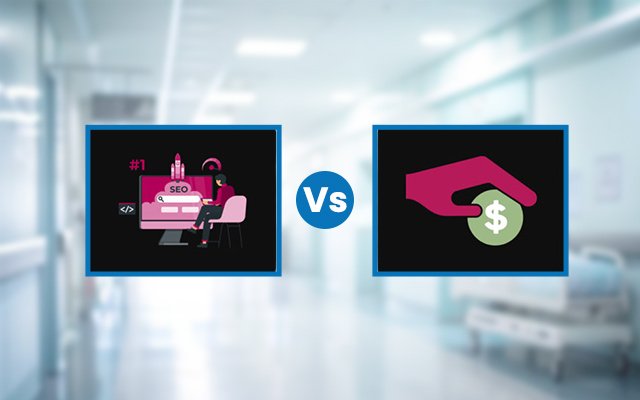
For hospitals, clinics, and nursing homes, both SEO and paid ads work. But they work in very different ways. SEO builds long-term authority. Paid ads create faster visibility. The real win comes when both are planned together with patient behaviour in mind.
This is where MfunL, a healthcare digital marketing agency in Kolkata, helps hospitals stop guessing and start building a patient acquisition system that actually works.
Why hospitals cannot depend on only one marketing channel in 2026
Patients are smarter now. They do not book after seeing one ad, they check your Google profile, read reviews, and search the doctor’s name. They also compare treatment pages, watch short videos, and ask AI tools for suggestions.
So, if your hospital is only running ads without strong organic visibility, patients may click but not trust. And if your hospital is only doing SEO without paid campaigns, you may lose high-intent patients who are ready to book now.
In simple words:
| Marketing channel | What it does best | Main limitation |
| SEO | Builds trust, ranking, and long-term patient flow | Takes time to show strong results |
| Paid ads | Brings quick visibility and enquiries | Stops working when the budget stops |
| SEO + paid ads | Builds both trust and fast lead generation | Needs proper tracking and strategy |
Hospitals need balance. A good strategy is not about “Which one is better?” It is about “Which one should we use at which stage of the patient journey?”
What SEO does for hospitals in 2026
SEO helps your hospital appear when people search for treatments, doctors, symptoms, and location-based care. For example, a patient may search:
- “Knee replacement cost in Kolkata”
- “Symptoms of appendicitis”
- “Maternity hospital in Mukundapur”
- “Cancer doctor near me”
If your hospital has well-written service pages, doctor profile pages, blogs, FAQs, schema, and Google Business Profile optimisation, you have a better chance of appearing in search results.
But in 2026, SEO is not only about Google rankings. It is also about being visible in AI-generated answers, voice search, featured snippets, local search, and “near me” results.That means your content must answer real patient questions clearly. No keyword stuffing. No vague medical essays.
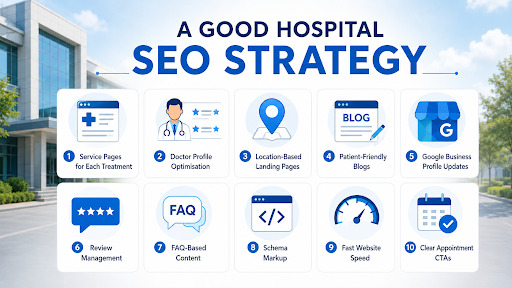
SEO works because healthcare is a trust-based decision. Patients want to feel sure before they book.
What paid ads do for hospitals in 2026
Paid ads help hospitals reach patients faster. If someone is searching for “emergency hospital in Kolkata” or “laparoscopic surgeon in Kolkata”, a well-planned Google ad can place your hospital in front of them immediately.
Meta ads also work well for awareness, preventive health check-ups, fertility services, cosmetic treatments, dental care, maternity packages, and wellness campaigns.
Paid ads are useful when hospitals want to promote:
- New departments
- Health check-up packages
- Doctor OPD availability
- Surgery campaigns
- Diagnostic offers
- IVF or fertility consultations
- Cosmetic and aesthetic services
- Seasonal health awareness campaigns
If your landing page is poor, your ad money leaks.
If your receptionist does not follow up properly, leads go cold.
If your reviews are weak, patients hesitate.
If your message sounds too salesy, people scroll past.
Paid ads bring attention. They do not automatically bring trust. That is why hospitals need a strong system behind every ad campaign.
SEO vs paid ads: Which one generates better hospital leads?
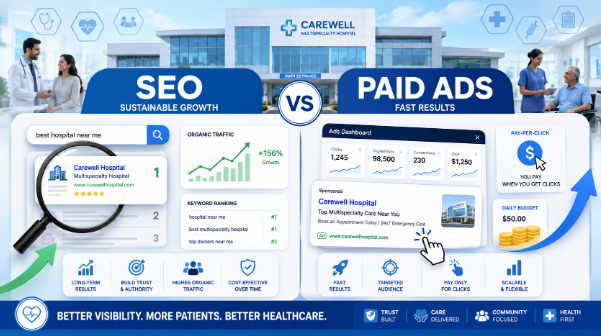
The answer depends on the type of lead.
SEO usually brings more informed leads. These patients have already searched, read, compared, and understood the problem. They may take longer to convert, but they often have better trust.
Paid ads bring faster leads. These patients may be ready to enquire now, but they may also compare multiple hospitals at the same time. Speed matters here. If your team responds late, the lead is gone.
| Factor | SEO | Paid ads |
| Speed | Slow to medium | Fast |
| Trust-building | Very strong | Moderate |
| Cost over time | Reduces with consistency | Continues monthly |
| Best for | Long-term growth | Quick campaigns |
| Lead quality | Often higher intent | Mixed, depends on targeting |
| Patient education | Excellent | Limited |
| Conversion support | Strong when content is good | Strong when landing page and follow-ups are good |
For hospitals, the best answer is not SEO or ads. It is SEO for trust and ads for acceleration.
Where most hospitals go wrong with SEO
Many hospitals treat SEO like a checklist. They add keywords, publish a few blogs, and wait for results.
The common mistakes include:
- Using the same content for every service page
- Writing blogs that do not answer patient questions
- Ignoring local keywords
- Not updating doctor profiles
- Weak Google Business Profile activity
- No internal linking
- No proper FAQs
- No schema markup
- Poor mobile experience
- No lead tracking
In healthcare, SEO must be built around patient intent. A person searching “heavy bleeding treatment” does not want a complicated lecture. They want to know what may be causing it, when to worry, which doctor to consult, and how to book an appointment.
Where most hospitals go wrong with paid ads
Paid ads fail when hospitals run them like generic product ads. Healthcare marketing needs sensitivity. You cannot scare people into booking. You cannot treat every patient like a “target audience segment” and forget they are worried human beings.
Common ad mistakes include:
- Sending all traffic to the homepage
- Using weak landing pages
- No call tracking
- No WhatsApp follow-up
- Poor lead response time
- Same ad copy for all services
- No retargeting
- No patient education in ads
- No separation between awareness and conversion campaigns
- Measuring only leads, not booked appointments
That is why MfunL works as a healthcare digital marketing agency in Kolkata with a sharper focus on lead quality, patient conversion, and post-lead follow-up training.
SEO or paid ads? The honest answer is both
SEO builds credibility. Paid ads bring speed. SEO helps patients trust you. Paid ads help patients find you faster. SEO keeps working in the background. Paid ads push visibility when you need quick action.
If your hospital wants to attract better patients, improve online visibility, and convert more enquiries into appointments, MfunL can help you build a smarter digital growth plan.
As a healthcare digital marketing agency in Kolkata, MfunL focuses on SEO, paid ads, content, lead generation, and patient conversion support.
Consult our expert today.
People Also Ask
1. Is SEO better than paid ads for hospitals?
SEO is better for long-term visibility and trust. Paid ads are better for quick enquiries. Hospitals should use both for stronger and more consistent patient growth.
2. Do Google ads work for hospitals?
Yes, Google ads can work well when patients are actively searching for doctors, treatments, or nearby hospitals. The results depend on targeting, landing page quality, ad copy, and follow-up speed.
3. How long does SEO take for a hospital website?
Hospital SEO usually takes a few months to show visible growth. Competitive locations and treatments may take longer, but consistent SEO can build strong long-term patient flow.
4. What type of digital marketing is best for hospitals?
The best approach combines SEO, paid ads, Google Business Profile optimisation, social media, review management, and conversion tracking. One channel alone is usually not enough.
5. How can hospitals generate more patient leads online?
Hospitals can generate more leads by improving treatment pages, running targeted ads, publishing patient-friendly content, collecting reviews, optimising local search, and responding quickly to enquiries.